
Insight

Mauritius as a Bridge between Asia and Africa

In recent years, Mauritius has strengthened its position as more than a financial centre. It has evolved into a geographical and strategic bridge connecting capital, talent, and commerce from Asia into Africa.

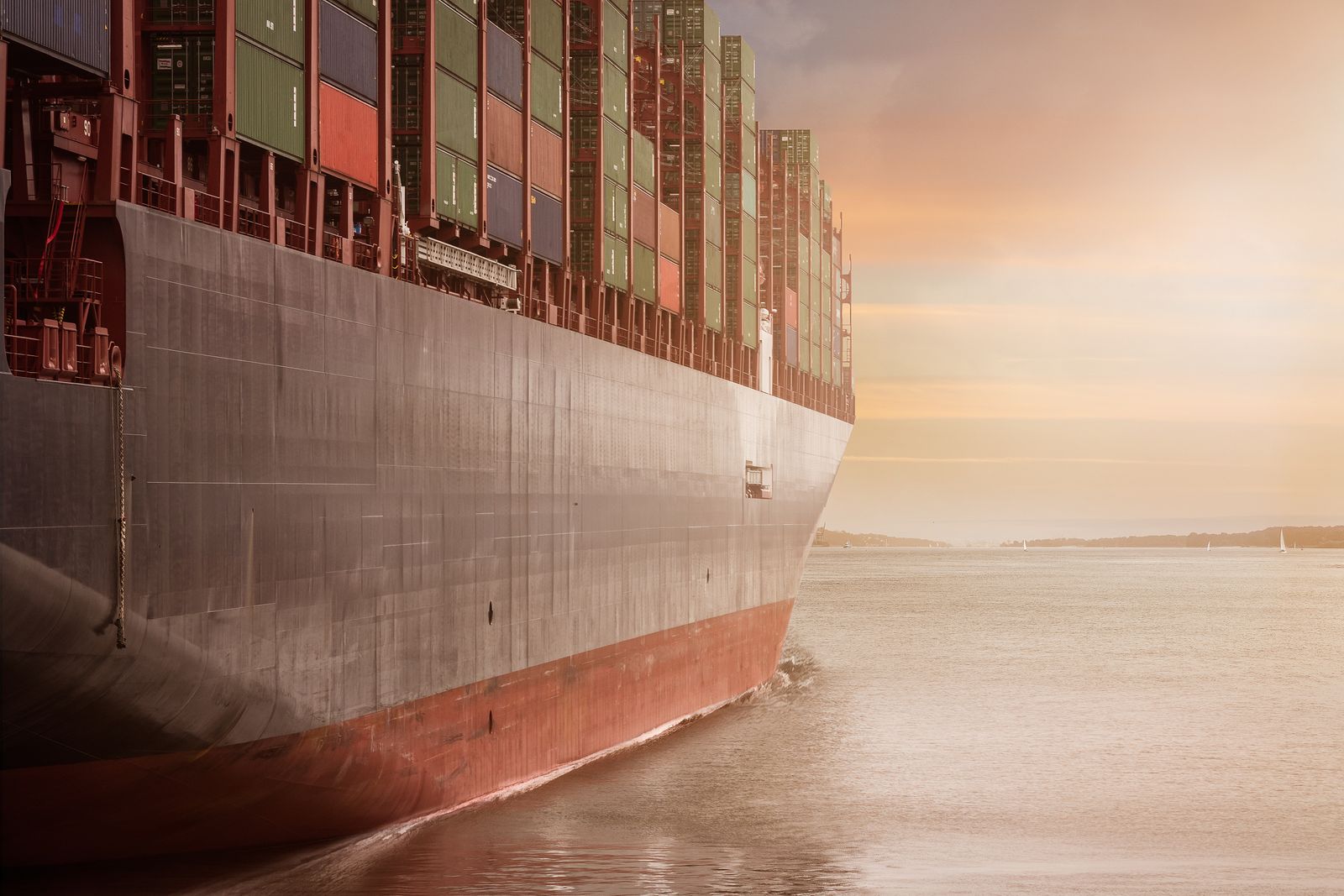
Aerial view of container cargo ship at sea symbolising Asia-Africa trade

Trade flows

Physical, digital and policy connectivity reshaping the investment landscape.

Modern commercial district in Mauritius

From financial centre to strategic connector.

This evolution is visible in diplomatic, economic, and infrastructure developments. Mauritius' Foreign Minister has publicly encouraged Indian investors to use the island as a gateway into Africa's markets, highlighting the deep historical and economic ties between the two nations.

This isn't a slogan – it reflects practical policy and investment promotion that positions Mauritius as a natural launch point for South-South commerce and cross-continental capital flows.

The Economic Development Board and international partners have also been active in driving intra-African investment dialogue. Webinars and initiatives co-hosted with organisations like the United Nations Industrial Development Organization (UNIDO) underscore Mauritius' role in streamlining investment flows across African markets.

At the same time, Mauritius is deepening its global economic integration. A landmark Comprehensive Economic Partnership Agreement (CEPA) with the United Arab Emirates came into force in 2025, creating one of the first such frameworks between the Gulf and an African partner. This CEPA enhances market access, removes non-tariff barriers, and expands opportunities for services and investment flows – directly strengthening Mauritius' role as an investment bridge between the Gulf, Asia, and Africa.

A platform for global business dialogue.

A regionally significant development is the announcement that Mauritius will host the 2026 U.S.-Africa Business Summit.

This high-level event draws multinational business leadership to the island's shores and signals confidence in its connectivity, regulatory strength, and role as a hub for facilitating cross-border commerce.

Mauritius' ambitions are not limited to trade and finance. The country is aggressively building its digital infrastructure backbone to support global connectivity. A major digital strategy launched by Mauritius Telecom and aligned with the national Digital Mauritius 2030 framework aims to transform the island into a regional digital hub linking Africa and Asia.

This initiative emphasises submarine network expansion, sovereign cloud services, AI and computing corridors, and secure financial rails that make the island attractive for cross-continental businesses and fintech innovation.

Business professionals in a modern conference setting

What this means for investors.

Mauritius is positioning itself as more than a traditional financial centre. It is building three forms of connectivity.

Physical connectivity

Ports and air links expanding access into Africa and Asia.

Digital connectivity

Cutting-edge network buildout and cloud-enabled infrastructure.

Policy connectivity

Trade agreements and partnerships that strengthen Mauritius' role as an investment platform.

For clients looking to enter Africa from Asia, or leverage India's growth into broader international portfolios, Mauritius offers both access and credibility.

This is not theoretical knowledge.

At Fideco, we do more than describe these shifts. We understand them, interpret how they affect structuring decisions, and apply this insight to help clients leverage Mauritius' evolving role.

It is the perspective of a firm that has been present through Mauritius' transformation into a global investment gateway.

— Fideco Advisory

Want to discuss how these developments affect your structure?

Our advisors translate regulatory and market shifts into practical structuring guidance.