

Insight

Mauritius: positioning global capital for Africa's next phase of growth.

Africa is increasingly attracting the attention of investors from Asia, Europe and the Middle East. Rapid urbanisation, expanding consumer markets, infrastructure development and digital transformation continue to create opportunities across multiple sectors. As a result, the conversation has shifted from whether to invest in Africa to how those investments should be structured and deployed.

Mauritius as a strategic hub for global capital flowing into Africa

Capital convergence

Asian, European and Middle Eastern investment meeting African opportunity.

Modern commercial district in Mauritius

An established gateway in a changing world.

In this evolving landscape, Mauritius has strengthened its position as one of the continent's most established gateways for international investment.

For more than three decades, the jurisdiction has built a reputation for regulatory stability, legal certainty and international credibility, making it a preferred platform for investors seeking access to African markets.

Global trade and investment patterns are changing. The growing economic relationship between Asia and Africa is creating new opportunities for businesses, investors and institutions seeking exposure to some of the world's fastest-growing markets. India, in particular, continues to deepen its engagement with Africa through trade, infrastructure development, technology partnerships and private sector investment.

The emergence of the India-Middle East-Europe Economic Corridor (IMEC) has further reinforced the strategic importance of the Indian Ocean region. While the initiative is designed to strengthen connectivity between India, the Gulf and Europe, it also highlights the growing importance of efficient investment and trade routes linking these regions to Africa.
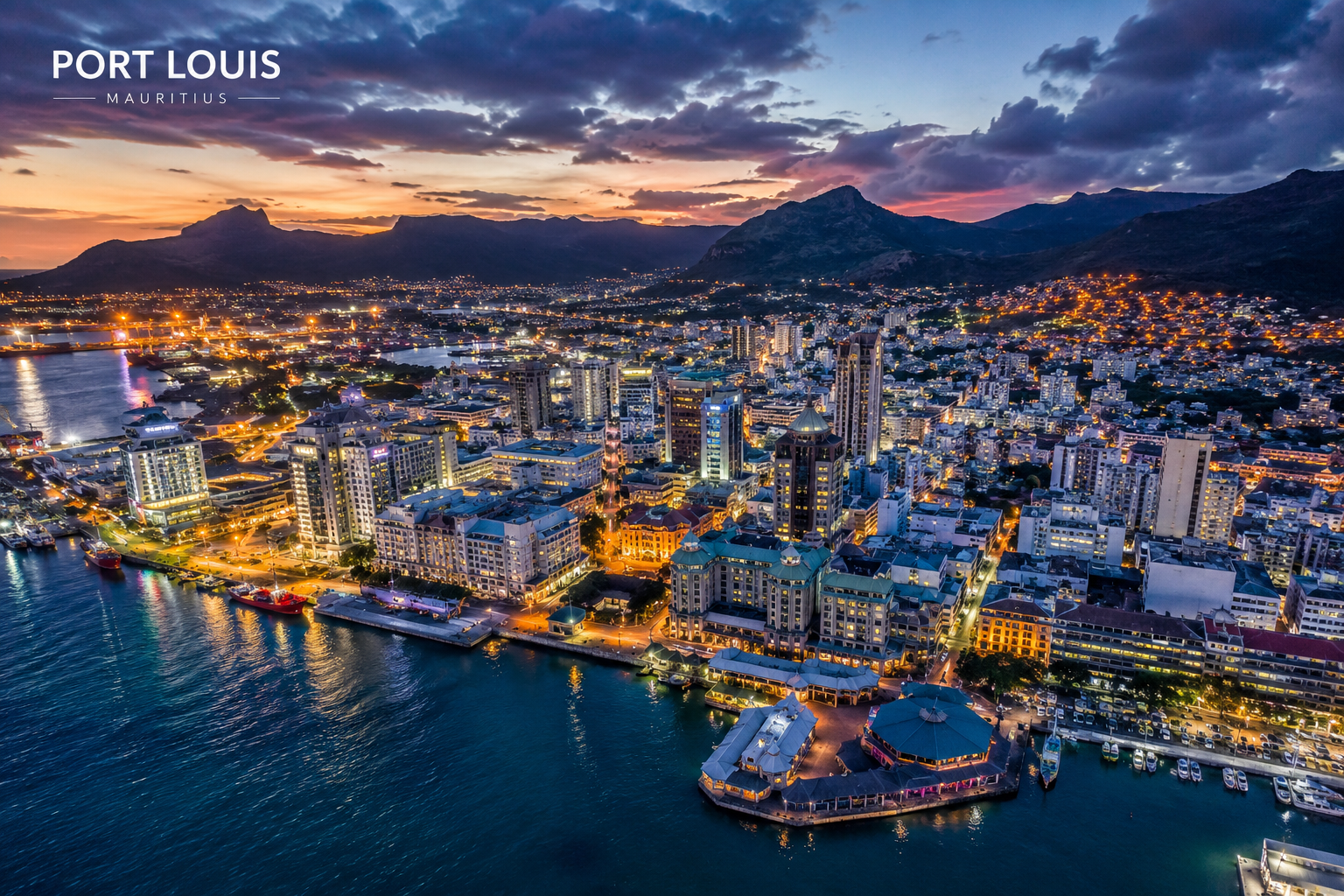

Mauritius as a gateway to African growth.

Africa remains one of the most diverse and dynamic investment destinations globally. Yet the continent's complexity often presents challenges for international investors navigating multiple jurisdictions, regulatory systems and operating environments.

Mauritius has developed an ecosystem specifically designed to bridge this gap. Its hybrid legal system, combining elements of English common law and French civil law, provides familiarity to international investors. This is supported by a well-regulated financial services sector, an extensive network of international agreements and a professional services industry with significant experience in cross-border transactions.

These foundations have enabled Mauritius to become a preferred jurisdiction for investment holding structures, private equity platforms, family offices and multinational businesses seeking exposure to Africa.

The island's role is not simply geographical. It is institutional. Mauritius provides the governance framework, regulatory oversight and commercial certainty required to support long-term investment into emerging markets.

Mauritius commercial skyline representing its role as an African investment gateway

The Gulf's growing role in Africa.

The Gulf region has emerged as one of the most significant sources of capital flowing into Africa.

Diverse sources of capital

Sovereign wealth funds, family offices and private investors are increasingly allocating capital to African markets.

Strategic sectors

Infrastructure, renewable energy, logistics, food security and technology are drawing long-term investment.

Deepening cooperation

Initiatives between Mauritius and Gulf nations are strengthening the jurisdiction as a conduit for Middle Eastern capital.

For investors seeking a stable, internationally recognised jurisdiction through which to structure African investments, Mauritius offers a compelling proposition.

Business professionals reviewing cross-border structuring documents

Governance, substance and the new investment environment.

International investors today operate in a very different environment from a decade ago.

Regulators, investors and counterparties increasingly expect structures to demonstrate genuine economic substance, strong governance and clear commercial purpose. Transparency and compliance have become central considerations in investment decision-making.

Mauritius has responded proactively to these global developments by strengthening its regulatory framework and aligning its standards with international best practice. This evolution has reinforced confidence in the jurisdiction and enhanced its standing among institutional investors, multinational corporations and family offices.

The result is a financial centre built not only for efficiency, but for long-term sustainability.

Looking ahead.

The convergence of Asian capital, Middle Eastern investment and African growth is likely to shape the next chapter of international business and finance.

Jurisdictions capable of connecting these markets while providing certainty, governance and credibility will play an increasingly important role in facilitating investment flows.

Mauritius has spent more than three decades building that capability. As investors continue to seek opportunities across Africa, the jurisdiction remains uniquely positioned to serve as a bridge between capital and opportunity, linking Asia, Europe and the Middle East with one of the world's most promising growth regions.

Mauritius skyline at dusk representing long-term investment outlook

Navigating the evolving landscape.

For firms such as Fideco Global Business Services, the opportunity lies in helping investors navigate this evolving landscape.

Success in today's market requires more than access to opportunity. It requires the right structure, the right governance framework and a clear understanding of how global capital is moving.

Fideco Advisory

Want to discuss how these developments affect your structure?

Our advisors translate regulatory and market shifts into practical structuring guidance.